Most individuals image first aid as a bandage and an endure smile. In method, the abilities you integrate in a first aid course go a lot deeper. You discover to check out a scene rapidly, choose under stress and anxiety, and accomplish straightforward, efficient activities that purchase time until specialist help shows up. I have enjoyed reluctant participants come to be calm organizers by the end of a solitary day, not since they memorized every problem in a book, however since they exercised a clear structure and a handful of lifesaving methods until they really felt natural.
The worth turns up in normal places. An associate choking during a work lunch. A kid pulling a hot cup off a table. A bicyclist taking a difficult loss on damp sidewalk. First aid training turns those minutes from panic into deliberate actions. Here is what a solid first aid and CPR course develops, why it matters, and how to make a decision which first aid courses fit your needs.
How a good program actually transforms behavior
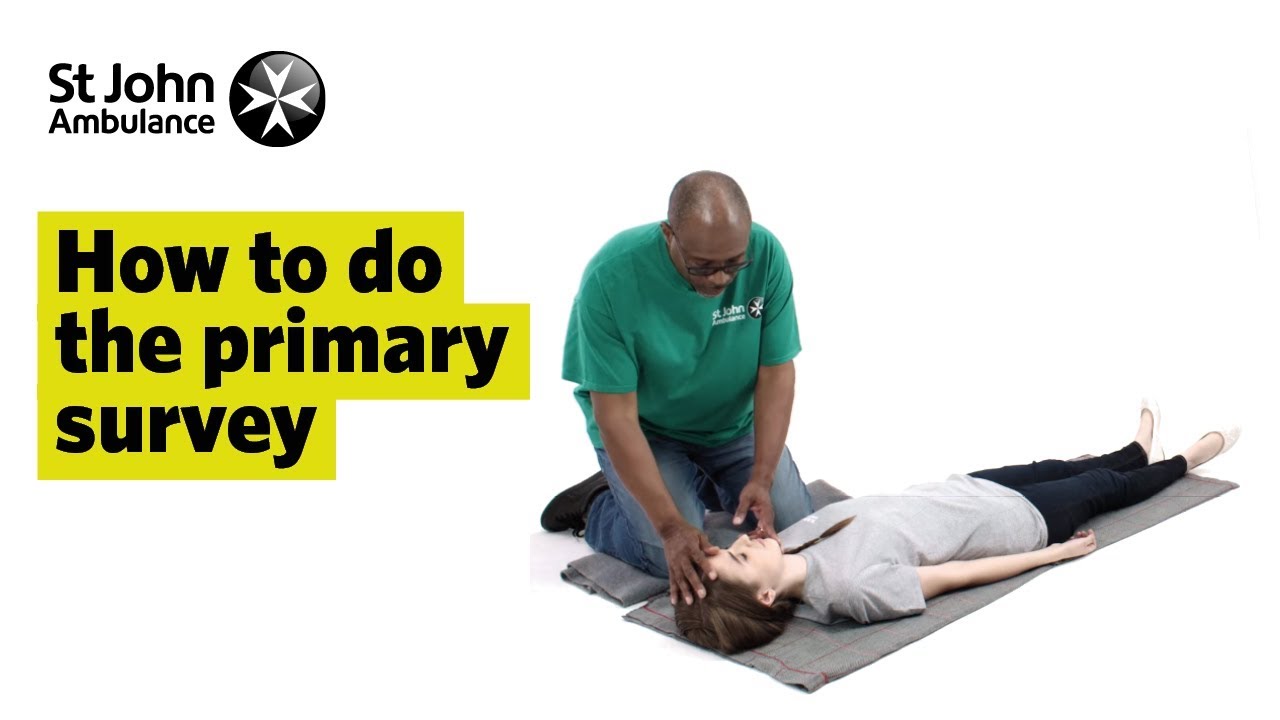
The first change most students notice is not medical in any way. It is mindset. First aid training starts with scene safety and security, personal security, and a structure for decision making that stands up when your heart is racing. You will exercise a main survey that becomes force of habit: look for threat, check responsiveness, call for assistance, and handle life hazards in order. Instructors reinforce that you do not need a medical degree to save a life. You require a plan you can bear in mind and the judgment to follow it.
Time and once again I have actually seen reluctant individuals freeze throughout the initial situation, after that take charge later in the day when they understand that little, proper activities stack up. Clearing a tongue from the respiratory tract. Rolling somebody into healing position as opposed to propping them up. Asking a bystander to call emergency situation services while you start chest compressions. The training changes uncertainty with a couple of core moves and the confidence to use them.
Reading the scene and prioritizing
Long before plasters, you find out to scan. A dependable first aid course instructs you to protect yourself with gloves, a barrier for rescue breaths if your program includes them, and fundamental health to decrease infection threat. Then, you will certainly overcome a primary analysis that triages what matters most.
- Check feedback and breathing, right airway problems, and deal with severe blood loss fast. Whatever else can wait 2 or three minutes. Call or pass on the emergency call early. The difference between calling at min zero versus min 3 is not abstract, it impacts survival and therapy choices. Use easy placing to assist physiology. Apartment on the floor for suspected shock, recovery setting for a breathing but unconscious person, gentle immobilization for believed back injury.
This triage lens is the single most beneficial skill to execute of your first aid course. It transforms an unpleasant case right into a sequence you can manage.
CPR that works in the genuine world
CPR is not strange. It is a hands-on pump you compete the heart and lungs up until a defibrillator or paramedics can restore a normal rhythm. A legitimate CPR course concentrates on depth, price, recoil, and marginal disturbances. You will exercise on manikins up until your hands locate the appropriate spot without thinking. Anticipate feedback on pace, normally 100 to 120 compressions per minute, and deepness, about one third of the upper body for youngsters and about 5 to 6 centimeters for adults. If your class includes breaths, you will discover just how to develop a seal and look for upper body increase without overinflating.
You will certainly also educate with an AED, the automated outside defibrillator found in flight terminals, shopping centers, gyms, and many offices. The device talks you through pad placement and rhythm analysis. The largest difficulty is not the modern technology, it is the hesitation to order the AED and utilize it. A few supervised runs in cpr training eliminate that obstacle. Individuals leave recognizing that the equipment will not surprise unless it detects a shockable rhythm, so they can not damage somebody by following its prompts.
If you have a first aid certificate and it has been a while since you practiced, a cpr refresher course can be vital. Hands unwind, compressions superficial, and hold-ups creep back in without periodic coaching. Several professionals prepare a refresher course every 12 months, even if regulations permit a longer interval.
Choking: from cough to crisis
Choking is just one of those events where secs count and the steps are straightforward. First aid and cpr courses drill this up until it is reflex. Distinguish between a partial blockage, where the person can cough or speak, and a complete one, where they can not make an audio and might grasp the throat.
If they can cough strongly, encourage them to maintain coughing and monitor. Do not put their back mid coughing. If they can not cough, you relocate quickly to back impacts and abdominal thrusts for grownups and youngsters, with changed strategies for babies and pregnant people. The physical technicians issue. You aim back strikes in between the shoulder blades and provide stomach thrusts inward and upward from simply over the navel. A couple of reps in class shed in the right hand position and body position so you can deliver force without tossing yourself off balance.
After a successful clearance, the first aid recommendations is to look for medical evaluation, specifically if there were duplicated drives or the person still feels something lodged. Wounding the internal tissues is feasible, and delayed swelling can cause restored breathing problem. A well run course will certainly share these side situations so you do not quit assistance too soon.
Severe blood loss and shock control
Modern first aid training teaches straight pressure as the initial line for serious bleeding. You will certainly learn to push hard and stable, to pack gauze into deep wounds if trained to do so, and to keep pressure without constantly raising the clothing to check. The lesson is counterproductive for some learners that wish to peek. You will certainly practice rapidly layering dressings and securing them so both hands are free.
Tourniquets show up in even more first aid courses today, particularly where industrial or farming injuries are plausible. When a limb wound bleeds heavily and straight pressure stops working or is not practical, an industrial tourniquet used high and tight can be lifesaving. The ability is straightforward however gain from monitored practice. The mistake I see most is half steps, a tourniquet applied loosely out of fear that it will hurt. It will harm. That discomfort tells you it is pressing the artery sufficient to matter. Great direction covers safe application times and the relevance of keeping in mind when you used it so -responders can manage reperfusion later.
Alongside bleeding control, you will certainly resolve shock. Shock is a flow trouble, not simply a feeling. The body can not move sufficient oxygen to the tissues. Indicators consist of light, awesome, or clammy skin, rapid pulse, and confusion. First aid feedbacks focus on controlling the cause, keeping the person cozy, lying them flat if endured, and calling for assistance early. You will certainly discover not to give food or drink when major injury or surgery may get on the horizon.
Airway administration and risk-free positioning
Many emergencies remain on the limit in between breathing and not breathing. People collapse after seizures, head injuries, alcohol intoxication, or diabetic person episodes, and their tongue or vomit can block the respiratory tract. A first aid course reveals you exactly how to open and maintain an air passage with a head tilt and chin lift, or with a jaw thrust if you suspect a spine injury. You will exercise the healing placement that keeps the airway open and enables liquids to drain securely. Rolling an individual smoothly without turning the neck is an ability, and it comes to be simpler after a few guided repetitions.
When breathing exists yet struggled, straightforward positioning assists. Propping a person with asthma in a comfortable seated pose, loosening up limiting garments, and aiding with their suggested inhaler can settle a strike. On the other hand, someone fainting from a short drop in high blood pressure gain from existing level with legs increased somewhat. These basic maneuvers, instructed in first aid training, frequently solve the crisis with no medication.
Strokes, cardiovascular disease, and time-sensitive calls
Stroke recognition is a traditional first aid courses Rockhampton instance of why understanding matters as much as hands-on skill. Trainers cover common signs like face droop, arm weakness, and slurred speech. The action is uncomplicated, call emergency solutions promptly and note the time symptoms began, because treatment choices frequently depend on that timeline. In several communities, prehospital groups sharp stroke centers while en route, so your very early call has real downstream consequences.
For chest pain and presumed heart attack, you will certainly learn to maintain the person calmness, seated, and still, support suggested medicine such as nitroglycerin if appropriate, and arrange fast transportation. Aspirin support differs by region and program level, so a respectable supplier makes clear neighborhood procedures and when to prevent providing it, such as with serious bleeding, understood aspirin allergy, or current stomach blood loss. This is where a first aid pro instructor gains trust fund by describing not only what to do yet why.
Burns and scalds without myths
Ask people concerning burn treatment and you will certainly hear a lots individual remedies. A certified first aid course strips those away. Cool the shed with trendy running water, not ice, for around 20 mins ideally. Eliminate precious jewelry and limited garments early before swelling begins. Do not apply lotions, butter, or toothpaste. Cover with a tidy, non-adhesive clothing. You will go over when to seek immediate treatment, especially for deep burns, burns larger than the hand of the hand, or burns to the face, hands, feet, or groin.
Electrical and chemical burns add unique factors to consider. Electrical injuries can trigger heart rhythm problems even when the skin looks fine. Chemical burns need long term irrigation and like prevent contaminating yourself. The program will certainly go through these distinctions and give you practical steps like brushing off completely dry chemicals prior to rinsing.
Fractures, strains, and safe movement
Musculoskeletal injuries react well to soothe handling. Immobilize the joint over and below a presumed fracture, pad splints to secure skin, and check circulation, feeling, and movement beyond the injury before and after you debilitate. If an arm or leg looks pale or numb after splinting, you loosen and readjust. For sprains and pressures, rest and ice bags aid in the initial day, with compression and altitude if endured. The nuance right here lies in not overhandling. I have watched excited assistants trigger even more discomfort by repetitively controling a limb. Your training will certainly stress stablizing over inspection.
Spinal injuries are worthy of special care. If you believe a neck or back injury after a loss or accident, support the head in a neutral position and prevent turning. The very best relocation is frequently to keep the person still and let experienced responders use a collar and board, unless an instant danger like fire compels a careful drag to safety.
Allergic responses and anaphylaxis
With allergies increasing, many workplaces and institutions stock epinephrine auto-injectors. First aid and cpr courses currently frequently consist of acknowledgment and usage. You will find out the signs of anaphylaxis, such as swelling of the lips or tongue, trouble breathing, hives, throwing up, or a sense of putting at risk ruin. The action is prompt: give epinephrine if available and allowed, call emergency solutions, and prepare to provide a second dose after numerous minutes if symptoms linger and neighborhood support supports it.
Small details make a distinction, such as injecting through clothes right into the external thigh, holding the tool in place for the suggested time, and massaging is no more consistently suggested for numerous tools. A proficient teacher will show with fitness instructor pens and let you practice the movement up until it is smooth.

Diabetic problems, seizures, and fainting
Not every emergency situation needs advanced care. Low blood sugar level, typical amongst people on insulin or particular dental drugs, can offer with sweating, shakiness, complication, or odd behavior. If the person is conscious and can ingest, fast-acting sugar like sugar tablets, juice, or regular soft drink frequently fixes signs within 10 to 15 mins, adhered to by a treat with complicated carbohydrates. If the person becomes drowsy or can not ingest safely, you do not provide drinks or food. You call for assistance and safeguard the airway.
For seizures, you will certainly focus on safety and security rather than restriction. Clear the location, support the head, time the occasion, and roll right into recovery setting once the activities quit. Ongoing seizure activity beyond several mins or repeated seizures without recovery in between them calls for immediate healthcare. The temptation for inexperienced bystanders is to place something in the mouth. Training resolves that myth and shows how to secure teeth and tongue without risking your fingers or the person's airway.
Fainting normally deals with quickly, yet first aid training teaches you to look for triggers and dismiss even more significant causes. Existing level with legs elevated and fresh air usually aids. Persistent complication, chest discomfort, severe frustration, or trauma from the loss relocates you toward clinical evaluation.
Poisoning and environmental exposures
Many first aid courses consist of a module on poisonings. The guidance depends on the substance and route. You will certainly learn not to cause throwing up unless directed by a poison control center and to bring the container or a photo of it to responders. Inhaled exposures, such as carbon monoxide gas, require fresh air and immediate medical help. Skin direct exposures require elimination of contaminated clothes and extensive rinsing.
Environmental problems round out the ability. Warm fatigue appears in the summer season with hefty sweating, frustration, and dizziness. Cooling, hydration if the person looks out, and rest typically resolve it. Heat stroke is a various monster, with warm skin, transformed psychological condition, and potential collapse. Aggressive air conditioning and quick transportation are crucial. Cold injuries follow the exact same pattern, sluggish mild rewarming for frostbite and medical evaluation when cells is involved. These topics remind students that first aid is more comprehensive than dramatic rescues.
Communication that cuts through noise
Technique matters, but words carry weight when groups gather or relative panic. An excellent first aid course spends time on interaction. You will exercise brief, clear directions to bystanders, such as asking somebody specific to call emergency services and report back, or guiding an additional individual to obtain the AED near the gym entryway. Uniqueness protects against diffusion of obligation. You will certainly additionally discover to reassure the hurt person Click for info with easy statements: you are here, aid is coming, you are keeping them risk-free. Tone can reduce heart rates and minimize the oxygen need of stressed out bodies.
Documentation, while not extravagant, has value. Noting times, observed signs and symptoms, drugs offered, and adjustments in condition aids -responders get the string. Several first aid providers consist of a tiny pocket card or application for fast note taking.

Choosing the right first aid course and provider
Not all first aid courses are the same, which is proper. Your workplace, family members, and area shape what you need. A childcare worker gain from pediatric-focused first aid and cpr, including baby choking strategies and acknowledgment of youth ailments. A construction supervisor might focus on bleeding control, fractures, and electric injuries. An office group frequently selects a consolidated first aid and cpr course that pleases regulative requirements and prepares them for heart events.
Several hints point to a high quality service provider, whether a nationwide organization or a specialized first aid pro:
- Time on abilities, not just slides. Try to find programs with generous hands-on technique making use of manikins, AED trainers, and practical scenarios. Instructors with area experience and the capability to explain why, not just what. Stories of genuine events aid students hang on to principles. Up-to-date material straightened with recognized standards for CPR and first aid, and clear mention of neighborhood methods where they differ. Options for cpr courses and cpr correspondence course scheduling, so your group can keep abilities fresh without significant disruption. Issuance of a first aid certificate that companies and regulatory authorities approve, with clearness on renewal intervals.
If you are choosing for a group, request for a brief phone call. A knowledgeable organizer will inquire about your atmosphere, prior incidents, shift routines, and any kind of special dangers, after that tailor the agenda.
Practicing under pressure: why circumstances stick
Books fade when adrenaline rises. That is why the most efficient first aid training relies on situations that approximate the actual stress and anxiety of an incident without going across right into theatrics. You may overcome a mock allergic reaction in a snack bar, complete with an obtained fitness instructor auto-injector, or a presented loss on a staircase that demands head assistance and a tranquil call to emergency services. Debriefs afterward concentrate on decisions and interaction instead of gotchas.
One individual from a friendliness team told me that 2 weeks after their course, a choking guest dropped in an eating chair. Anxiety spiked among web servers till one said the line she had rehearsed: I have actually got the back impacts, you call three-way absolutely no and grab the AED just in case. The blockage removed after 3 impacts. The AED was not required, however the habit of handing over and preparing made the distinction between chaos and coordinated action. That is the payoff for role-play and repetition.
Limitations and when to tip back
First help is powerful specifically since it remains within safe borders. You will discover to identify when to stop and wait. Do not move a person trapped in a lorry unless fire or water threatens. Do not attempt to transfer a dislocated joint in the field unless your training and method allow it. Do not provide medicines past what the get more info individual is suggested unless your course and jurisdiction clearly permit it.
There are grey areas, and great guideline prepares you for them. As an example, helping with a person's own asthma inhaler is typically supported, while providing medicine from a workplace package might not be. Carrying out epinephrine from a public-access set is admitted several regions, with appropriate coverage, however not everywhere. Your trainer needs to spell out local guidelines, and you should follow them. Self-confidence does not indicate improvisating beyond your scope.
Aftercare and psychological health
People seldom talk about the hours after an occurrence. When the ambulance doors close, the scene looks peaceful, yet those that assisted commonly really feel unstable, guilty, or wired. A thorough first aid and cpr course states mental first aid for both the individual you assisted and for you. Take a minute to debrief with your team, document what took place, and take into consideration a brief check-in telephone call with a supervisor or counselor if the event was intense. Tiny routines, like cleaning your hands and resetting the first aid set, assist you transition out of situation mode.
Following up issues for the person you helped as well. If it is a colleague or relative, a simple message the next day can close the loophole and give you accurate details to refine your psychological design of what worked.
Keeping skills to life after the card
A first aid certificate marks a moment. Abilities live or discolor based upon technique. Establish easy practices. Situate AEDs in places you regular: gym, office, recreation center. Rejuvenate your memory quarterly with a 5 minute drill on compressions using a cushion to practice hand positioning and rhythm. Skim your course booklet after daylight saving time modifications. If you take care of a team, rotate little scenario refreshers right into conferences. A mock call, a 2 min choking drill, or a fast evaluation of bleed control keeps understanding near the surface.
Many suppliers offer brief cpr courses or modular refreshers that match a lunch break. Make use of those, especially if your function places you in contact with the public. Abilities hone promptly with even quick, concentrated practice.
The confidence to do the next right thing
The heart of first aid is not heroics. It is the capability to do the following best point and after that the next, with tranquil hands and clear words. A well designed first aid course instructs that with a handful of crucial skills: scene evaluation, respiratory tract and breathing support, CPR with AED use, hemorrhaging control, safe positioning, and recognition of time-critical problems. It pairs those with judgment, interaction, and a respect for limits.
The results seldom make headings. They appear in common tales. A grandparent who understands how to cool down a burn and when to seek help. A teacher that captures the early indications of anaphylaxis prior to it spirals. A colleague that starts compressions without awaiting approval. If you have actually been considering it, choose a carrier, routine the class, and bring a friend. When the minute gets here, you will certainly be ready.